
A pharmaceutical cleanroom must keep a controlled environment that meets strict regulatory standards, and modular cleanrooms are a versatile way to provide one.
Modular cleanrooms offer flexibility, scalability, and efficiency, which makes them a strong fit for pharmaceutical facilities. This article covers the main applications of modular cleanrooms and the technical features that solve common problems in pharmaceutical production.
What Is a Modular Cleanroom?
A modular cleanroom is a prefabricated, controlled environment built from panels that assemble easily. Compared with permanent structures, it is far easier to expand or relocate. That adaptability lets pharmaceutical manufacturers respond to changing production needs or regulatory requirements with minimal disruption.
These compact spaces control airflow, humidity, temperature, and particulate levels. They are designed to comply with International Standards Organization (ISO) classifications and Food and Drug Administration (FDA) standards. That makes modular cleanrooms well suited to sensitive work such as vaccine development, packaging, and research.
Benefits of a Modular Pharmaceutical Cleanroom
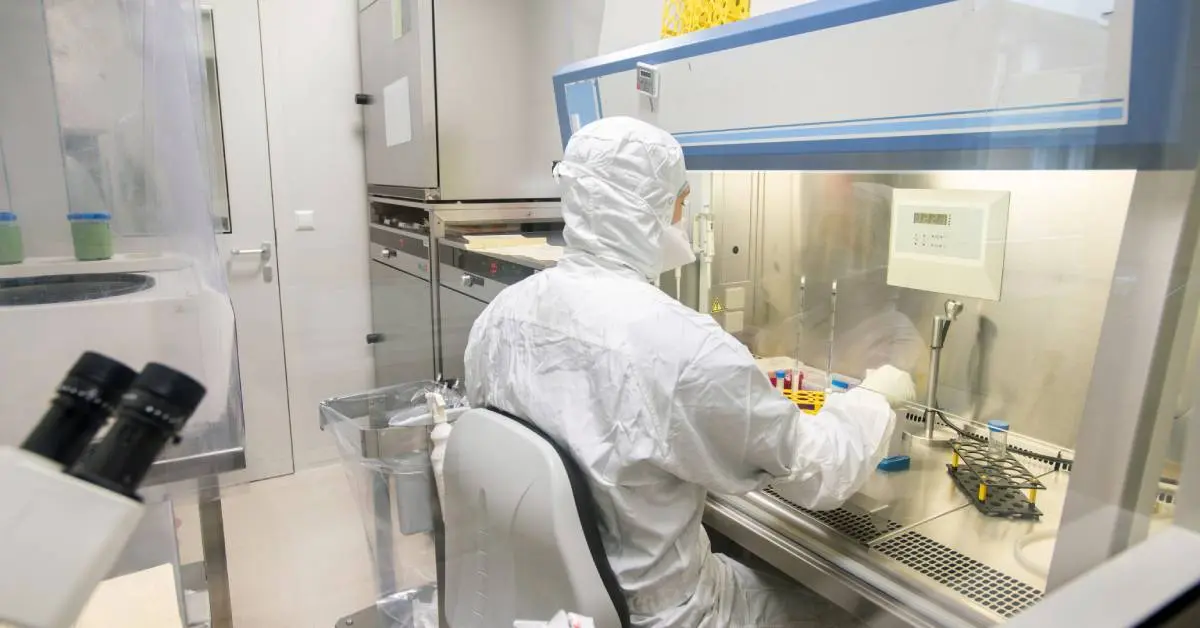
Modular cleanrooms meet the pharmaceutical industry's need for sterile environments. National Partitions designs flexible modular systems that help pharmaceutical companies meet rigorous standards while staying efficient and on budget. The main advantages are listed below.
- Easy customization: Every pharmaceutical process has its own requirements. Modular cleanrooms can be tailored with features such as laminar airflow, HEPA filtration, and airlock systems.
- Scalability: Modular systems let users expand or reconfigure facilities quickly. They suit production increases during higher product demand or clinical trials.
- Fast deployment: Modular construction cuts downtime compared with traditional cleanrooms, which matters when timelines are tight.
- Cost-effectiveness: Lower construction costs and energy-efficient operating features make modular cleanrooms more economical over the long run.
How Are Modular Cleanrooms Used in Pharmaceutical Production?
Modular cleanrooms support six core pharmaceutical processes, combining regulatory compliance with efficiency in high-stakes operations. The primary uses in the pharma industry are below.
1. Sterile Product Manufacturing
Sterile pharmaceuticals, such as injectable drugs and IV solutions, must be produced under strict standards. Modular cleanrooms maintain the controlled environments needed for aseptic filling, compounding, and terminal sterilization.
Sterile filling, for example, requires laminar airflow and ISO Class 5 conditions. Modular cleanrooms reach these conditions through well-designed panel systems and thorough air filtration. The modular design also lets manufacturers add new equipment or streamline workflows inside a single enclosed environment.
2. Research and Development Laboratories
Pharmaceutical research and development (R&D) usually takes place in controlled spaces because contamination puts results at risk. Modular cleanrooms provide dedicated, contained zones for drug formulation, quality testing, and clinical trial work.
R&D priorities change often, so the ability to expand lab space or switch to new processes is a major asset. Modular cleanrooms let companies move from one research focus to another without disrupting ongoing operations.
3. Vaccine Production
Global demand for vaccines has surged over the past decade, especially after COVID-19. Pharmaceutical companies face pressure to scale up vaccine production quickly.
Modular cleanrooms help build facilities that meet Good Manufacturing Practice (GMP) guidelines, which are mandatory for vaccine production. Components such as HEPA-filtered clean air systems and flush paneling for easy sanitation help them maintain sterile conditions. These environments support every stage of vaccine production, from antigen preparation to vial filling and sealing.
4. Packaging and Labeling
Pharmaceutical packaging and labeling must be produced in controlled environments. Modular cleanrooms provide a clean, partitioned area that lowers the risk of contamination or mix-ups.
Because they are highly customizable, cleanroom enclosures can include conveyor systems and secure sealing mechanisms that streamline packaging while keeping processes compliant.
Blister packaging and sterile wrapping for high-potency drugs, for example, benefit from the contamination control these systems provide, which supports product safety.
5. Quality Control and Microbial Testing
Quality is essential in drug production, and modular cleanrooms provide a clean, aseptic space for microbial testing and quality assurance.
Their precise control helps teams detect contamination, manage batch inconsistencies, and evaluate potency variations. Companies can also adjust the layout and features of a modular system to handle more advanced or automated testing procedures.
6. Warehouse Segmentation for Temperature Control
Some pharmaceuticals, including biologics and vaccines, are highly sensitive to temperature changes. In warehouses, modular cleanrooms create temperature-controlled storage compartments. Because they integrate with HVAC systems and meet ISO specifications, they help keep these products safe and effective throughout storage.
Why Choose Modular Over Traditional Cleanrooms?

Modular cleanrooms build faster, move more easily, and simplify compliance compared with traditional cleanroom construction. These advantages suit the demanding conditions of the pharmaceutical industry:
- Quick lead times: Prefabricated components can cut construction time by 30 to 50 percent.
- Portability: When a new drug launch requires more space, modular cleanrooms can be repurposed or relocated without major structural changes.
- Regulatory simplicity: Modular designs are customized for strict compliance requirements and often include preapproved elements such as GMP-compatible surfaces and integrated HEPA filters.
- Energy efficiency: Many modern modular cleanrooms use energy-conscious designs that support sustainability goals.
Cleanroom Flexibility in Pharmaceuticals
Modular cleanroom enclosures adapt to pharmaceutical changes more easily than permanent structures. Production in these spaces can shift between high-volume manufacturing and small-scale compounding. Modular cleanrooms offer a practical, scalable way to handle that shift.
Modular partitions and straightforward assembly support faster workflows. The rooms also improve air quality control when handling toxic materials or high particulate levels.
How to Integrate a Pharmaceutical Cleanroom
Successful integration takes planning and expertise. From room design to performance validation, the process works best with partners who understand your specific pharmaceutical needs.
National Partitions provides modular cleanroom solutions designed to meet GMP guidelines, helping pharmaceutical manufacturers reach their operational goals.
Modular Cleanrooms and the Future of Pharma
The pharmaceutical industry keeps adapting to new needs, and modular cleanroom applications are leading that change. From faster vaccine production to precise quality control, they offer flexibility and efficiency for a wide range of uses.
Modular solutions meet today's pharmaceutical demands and prepare facilities for future challenges. Whether a manufacturer is scaling up production or adopting new processes, a modular cleanroom is a forward-looking choice.