
Yes, cleanroom wall systems are effective for clean work, because they form the sealed barrier that keeps contaminants out of a controlled environment. Cleanrooms serve industries where even microscopic contaminants can compromise product quality and safety, and they hold very low levels of dust, airborne microbes, and chemical vapors. This article covers how cleanroom walls work and why they matter.
Wall systems are a fundamental part of cleanroom design. They are engineered barriers built to meet strict cleanliness standards, not simple partitions. Knowing their function and the available types matters for any organization that relies on contamination-free processes.
What Are Cleanroom Wall Systems?
Cleanroom wall systems are specialized panels and structures used to build the enclosure of a cleanroom. Their main purpose is to create a sealed environment that keeps external contaminants out and allows control of internal conditions. They are designed to be non-shedding, non-outgassing, and resistant to microbial growth.
The materials and design of these walls drive their performance. They must withstand regular cleaning protocols, including harsh chemical agents, without degrading. The surfaces are smooth and non-porous to limit particle settling and make cleaning more effective.
What Types of Cleanroom Walls Are Available?
The main types are modular, rigid wall, and softwall systems, each suited to different applications and classifications. The right choice depends on the required cleanliness level, budget, and need for future flexibility.
Modular Cleanroom Wall Systems
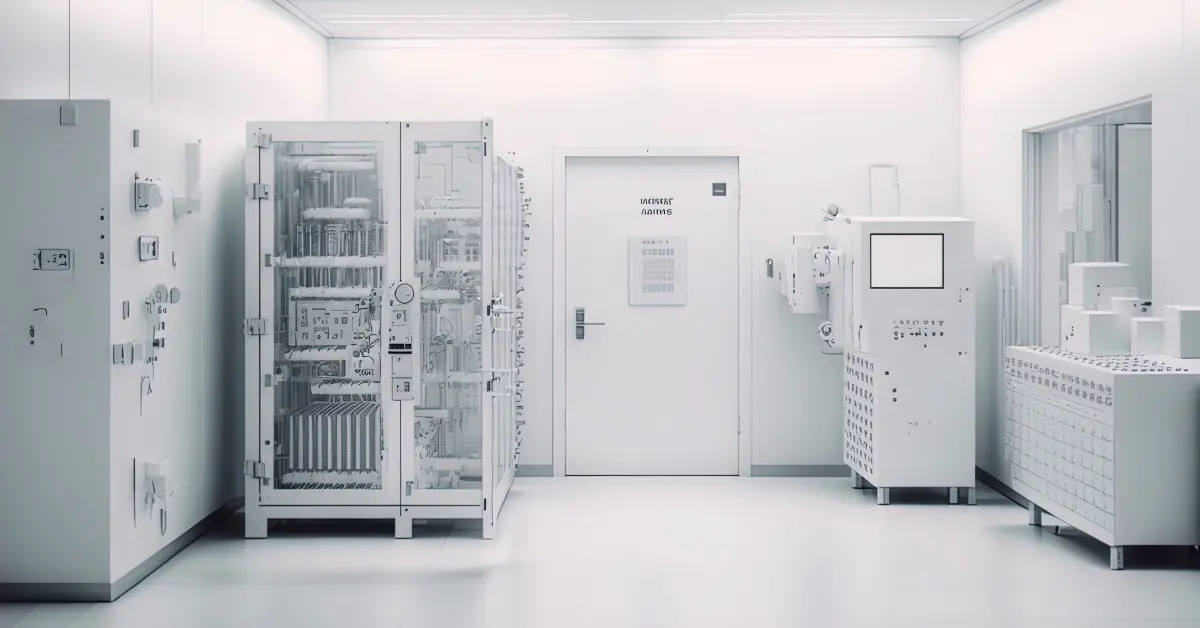
Modular cleanroom wall systems are popular because they are versatile and easy to install. They consist of prefabricated panels that arrive ready for assembly. Crews on site can put them together quickly, which cuts the overall construction time for a cleanroom facility. The pre-engineered components make installation simpler than traditional construction methods.
Their modular design also makes them highly adaptable. Owners can expand the cleanroom, reconfigure the layout, or relocate the entire structure as operational requirements and business needs change over time. That makes modular walls a flexible solution for dynamic environments where future changes or moves are likely.
Rigid Wall Cleanroom Systems
Rigid wall cleanrooms are a more permanent and durable solution. Built from hard panels made of materials like aluminum, steel, or fiberglass-reinforced plastic, they offer superior environmental control and stability. They suit applications that need a high level of cleanliness and long-term reliability.
Softwall Cleanroom Systems
Softwall cleanrooms use flexible, transparent curtains, typically vinyl, instead of solid panels. They are a cost-effective, adaptable way to create localized clean zones within a larger space. They do not provide the same environmental control as rigid wall systems, so they fit less stringent cleanroom classifications.
What Are the Benefits of Cleanroom Wall Systems?
Well-chosen and properly installed cleanroom wall systems deliver contamination control, stable conditions, compliance support, and lower maintenance. These benefits affect overall efficiency as well as cleanliness.
A key benefit is consistent, predictable environmental conditions. The sealed, non-porous wall surfaces help manage air pressure, temperature, and humidity, which many sensitive processes depend on.
These systems also support regulatory compliance. Industries like pharmaceuticals and medical device manufacturing must meet strict standards, and a certified cleanroom wall system is a basic requirement for meeting them.
Durable, easy-to-clean surfaces also reduce maintenance time and costs. Non-shedding materials keep the walls from becoming a contamination source themselves, which protects the long-term integrity of the clean environment.
Which Industries Use Cleanroom Walls?
Cleanroom walls are used wherever product purity is critical, from scientific research to large-scale manufacturing. Their applications are diverse.
In the pharmaceutical industry, they create sterile environments for drug manufacturing and packaging, preventing contamination that could affect product safety and efficacy. The medical device industry also relies on them to produce sterile equipment.
The electronics and semiconductor industries need ultra-clean environments to keep microscopic particles from damaging sensitive components during fabrication. Cleanroom walls help reach the strict ISO classifications these operations require.
Aerospace and automotive manufacturers also use cleanrooms to build and assemble critical components where precision and reliability are essential.
How Do You Choose the Right Cleanroom Wall System?
Start with the required ISO cleanroom classification, since it sets the performance level the wall system must meet. Several other factors also shape the choice.
The processes inside the cleanroom influence material selection. For example, if applications involve harsh chemicals, the wall panels must be chemically resistant. Future flexibility is another factor, and modular systems offer an advantage for growing or changing operations.
Budget matters too, but it should be weighed against long-term operating costs and the need for contamination control. A higher-quality system can prevent costly product failures and compliance issues later.
How Should Cleanroom Walls Be Cleaned and Maintained?
Cleanroom walls need regular, thorough cleaning and routine inspection to stay effective. Cleaning is an essential part of cleanroom operation.
Base cleaning protocols on the cleanroom's classification and the specific contaminants of concern. These procedures typically use approved cleaning agents and non-shedding wipes or mops to clean every surface methodically.
Inspect walls routinely for damage, such as scratches or cracks, that could compromise the surface and harbor contaminants. Repair any issues promptly to keep the cleanroom at its performance standard.
Find Cleanroom Wall Systems for Your Facility
The next step toward a strong contamination control strategy is choosing a quality cleanroom solution. National Partitions offers a full range of modular cleanroom wall systems designed to meet the demanding requirements of many industries.
Cleanroom wall systems are effective and necessary for holding the strict conditions that clean work requires. They are a foundation for preventing contamination, protecting product quality, and meeting regulatory standards across many industries. With the right system selected, installed, and maintained, organizations can create a reliable, controlled environment for critical operations. Visit National Partitions today to find the right system for your application.