
A modular data center is a prefabricated enclosure that houses critical IT equipment, and it gives businesses a faster, more flexible way to add that infrastructure. Facility owners can build around current operational needs without the long timelines and disruption of traditional construction.
Speed alone does not make a project succeed. A sound plan aligns the building layout, power requirements, cooling strategy, security features, and expansion goals before fabrication starts. If you are planning data center construction, these best practices will help you create a modular building to house it.
What Should a Modular Data Center Plan Start With?
A modular data center plan starts with operational requirements: a clear picture of the workloads the space must support. Business and facility owners should define equipment density, expected heat loads, uptime targets, staffing needs, and security expectations before design work moves forward.
That early discovery phase shapes every major decision that follows. It sets room size, wall and ceiling systems, access points, cable pathways, air distribution, and the level of redundancy critical systems need. Facilities that skip operational details often end up with a space that limits equipment placement, airflow, or future growth.
Where Should the Data Center Sit Inside the Facility?
The data center should sit where it has reliable access to utilities and stays clear of vibration, contamination, and heavy traffic. Location has a direct effect on performance, safety, and serviceability.
Facility owners also need to plan the workflow around the enclosure. Technicians need enough room to move equipment, perform maintenance, and reach panels or racks without causing congestion or safety issues.
Indoor placement is a major reason modular construction appeals to facility owners. A prefabricated enclosure creates a dedicated technology environment inside an existing building while limiting disruption to nearby operations.
Plan Data Center Power From the Beginning
Assess power needs at the start of the project, not late in construction. A modular data center depends on stable, well-distributed electrical infrastructure that supports both current demand and future expansion.
Designers need to account for panel locations, UPS systems, generator connections, branch circuit routing, and the separation of critical loads from noncritical support systems.
Why Build Cooling Into the Core Design?
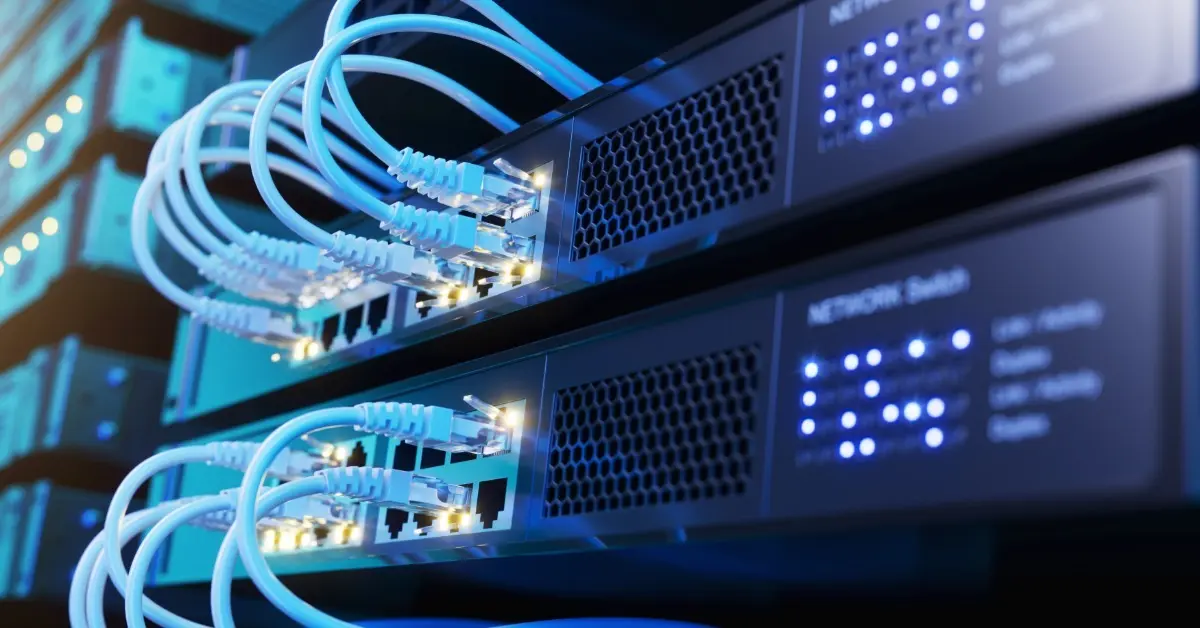
Cooling belongs in the core design because it determines the long-term reliability of any data center. A modular environment must manage heat consistently and hold temperatures within the range sensitive equipment requires.
Cooling cannot be treated as separate from the building plan. Room dimensions, ceiling height, equipment layout, return air paths, and enclosure construction all affect thermal performance.
Hot spots usually appear when airflow planning falls behind equipment planning. A modular design should support balanced air movement across the room and let technicians adapt as rack density changes over time.
Humidity control matters too. Stable environmental conditions protect hardware, support predictable operation, and reduce the chance of condensation or static-related problems in critical spaces.
Prioritize Data Center Security and Controlled Access
A modular data center needs physical security that matches the value of the systems inside it. Controlled access points, secure wall systems, and defined entry procedures protect equipment and support compliance goals.
Security planning should also cover visibility and monitoring. Many facilities benefit from windows, access logs, surveillance integration, and interior layouts that make it easier to supervise activity without weakening protection.
The enclosure itself plays a central role. A well-designed modular structure creates a dedicated space with tighter control over who enters, how people move, and where equipment stays protected.
Which Materials Support Data Center Performance?
The best materials hold up under regular service activity while supporting durability, cleanliness, and easy maintenance. Wall systems, ceiling components, doors, and finishes should all suit the operating environment.
On many projects, modular manufacturers help facility owners choose systems that balance performance and efficiency. Options can include insulated panels, durable finishes, and prefabricated enclosures designed for controlled interior conditions.
The right material package also makes installation more predictable. Factory-built components arrive ready for assembly, which helps maintain quality standards and reduces variation in the field.
Plan for Cable Management and Equipment Access
Plan clear pathways for power, data, and future upgrades so cabling stays organized for the life of the space. Without them, cabling becomes a long-term problem and technicians lose time working around clutter.
Equipment access matters as much as cable management. Doors, aisle widths, rack spacing, and service clearances should allow safe movement of hardware and routine maintenance without awkward workarounds.
How Do You Make a Modular Data Center Scalable?
Make scalability a design requirement that covers the footprint, utility planning, and interior configuration. The best designs let future racks, cooling units, or support systems integrate without major reconstruction.
This is one of the strongest advantages of modular construction. Expansion happens in a more controlled way because the original enclosure already accounts for phased growth and system compatibility.
Speed Up Installation Without Sacrificing Quality
Modular construction reduces disruption and shortens project timelines, which is why many organizations choose it. The benefit grows when design, fabrication, and installation stay aligned from the start.
A coordinated process helps avoid field conflicts and rework. Factory-built components arrive with consistent dimensions and quality, which supports a smoother installation and more predictable results.
Coordinate the Data Center With Existing Facility Systems
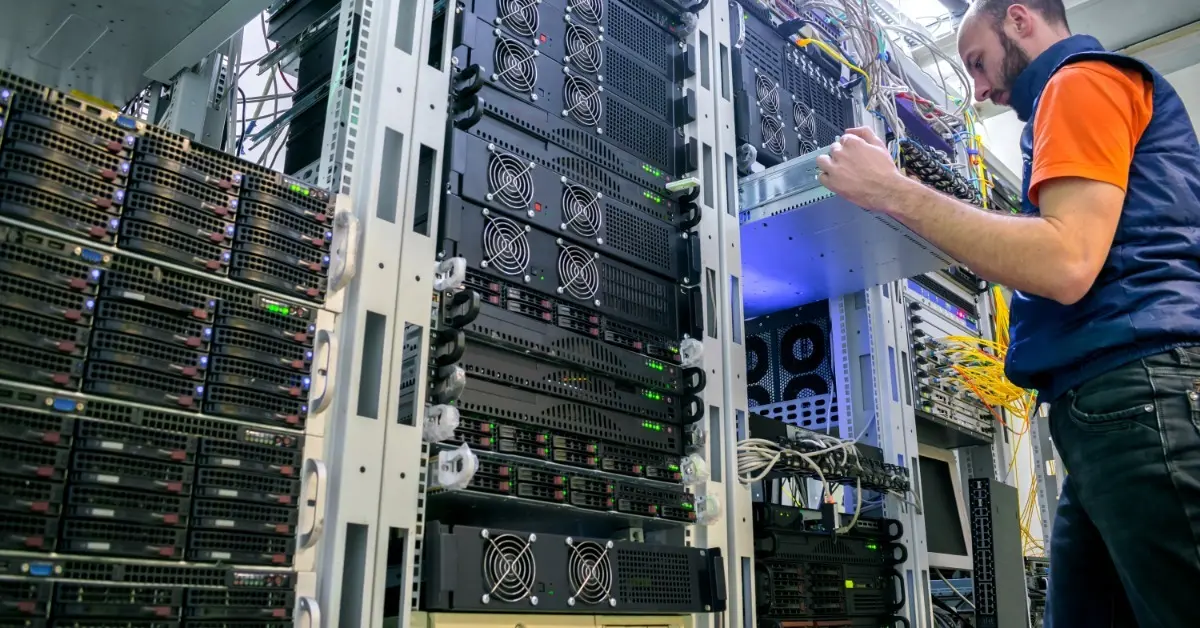
A modular data center has to work within the broader facility, so coordination with existing systems is essential. That includes electrical service, HVAC support, fire protection, life safety planning, and operational flow.
This coordination should happen before fabrication begins. Early collaboration identifies utility tie-ins, load impacts, code requirements, and installation constraints that could change design decisions.
Integration planning also prevents surprises during installation. When the modular structure fits cleanly into the existing building, the project moves faster and performs better after startup.
Design for Maintenance and Serviceability
A data center that is hard to maintain creates avoidable problems over time. Best practice calls for layouts that allow routine inspection, equipment replacement, and system testing without excessive downtime or restricted access.
Serviceability should guide door placement, clearance zones, equipment spacing, and the location of support systems. A well-planned modular enclosure helps technicians work safely and efficiently.
Choose an Experienced Modular Building Partner
A modular data center succeeds or fails on the quality of its design and manufacturing partner. An experienced modular building manufacturer knows how to turn technical performance needs into a practical prefabricated solution.
National Partitions has led the industry in prefabricated enclosure construction since 1967, providing modular offices, enclosures, and cleanrooms for businesses across the country. That background reflects the specialized experience facility owners should look for when planning a modular project.
Build a Modular Data Center for Long-Term Performance
The best modular data centers succeed because they pair speed with disciplined planning. Clear operational goals, strong power and cooling design, durable materials, secure access, and room for growth all lead to a more reliable result.
For business and facility owners, modular construction is a practical path to a high-performance data center. National Partitions designs and manufactures modular building solutions that help businesses create efficient, durable, and adaptable interior spaces. For expert guidance on modular enclosures and data center applications, contact National Partitions to discuss a custom solution built around your facility goals.