
A modular grow room gives growers a productive, controlled cultivation space built around their needs. This guide covers the key considerations and the design process for a modular grow room, from choosing materials to managing environmental control for consistent results.
Why Choose Modular Grow Rooms?
Modular grow rooms let growers scale operations when needed and control light, humidity, and temperature precisely. They are often more cost-effective than permanent setups. Careful planning during the design phase is the way to get the most from these benefits.
Control over the environment is one of the biggest factors in a successful harvest. Modular grow rooms offer flexible designs that create the right conditions for cultivating plants, whether for personal or commercial use.
What Should You Plan Before Building a Modular Grow Room?
Plan the growing goals, location, and budget before construction starts. Mapping out goals and needs first prevents costly changes later. Here is what to consider.
Your Growing Goals
The crop and the scale of the operation define almost every decision in the design process. Start by answering what will be grown and how much.
- Each plant type, whether vegetables, herbs, or cannabis, has distinct requirements for light, hydration, and growing space.
- A home grow for personal use and a commercial facility have different needs. Small modular units suit home use, while larger, scalable structures serve commercial purposes.
- Choose between soil-based growing, hydroponics, or aeroponics. Each method has strengths and weaknesses that shape the equipment the room will need.
Choose the Right Location
Location is another critical decision. Access to resources, environmental stability, available space, and similar factors all affect the setup.
- Decide whether the setup will be indoors, outdoors, or a hybrid of the two. Indoor options are more stable but require more equipment.
- Proper ventilation, electrical supply, and water access are vital to a productive grow room.
- Pick a location with minimal exposure to pests and changing weather to reduce maintenance and risk.
Develop a Budget
Materials, equipment, and installation labor add up quickly. A budget plan allocates funds accurately and leaves room for upgrades, such as automation or monitoring technology.
What Materials and Equipment Does a Modular Grow Room Need?
A modular grow room needs a durable structure, lighting, ventilation, irrigation, and environmental controls. The right selections create good growing conditions, reduce energy waste, and can extend the life of the design. Here are common considerations when choosing materials and equipment for a grow room.
Modular Structure Materials
Durability and efficiency matter most when selecting the base structure for a grow room. Common choices include:
- PVC or metal frames are lightweight, long-lasting materials that form the skeleton of the modular grow room.
- Reflective wall liners improve light efficiency by bouncing light back onto the plants.
- Insulated panels keep interior temperature and humidity consistent, which is especially useful for modular setups with controlled environments.
National Partitions offers customizable options for additional structure ideas. These solutions also pair with National Partitions office wall partitioning to create versatile, multi-functional spaces.
Lighting Systems
Lighting is one of the most important factors for growing plants indoors. The right lighting setup promotes healthy growth and strong development.
- LED grow lights are energy efficient, customizable, and popular with growers who want to save energy.
- HID or fluorescent lights work well for specific growing stages, such as vegetative growth or flowering.
Proper light placement gives even illumination and reduces the risk of plants getting too much or too little light.
Ventilation and Air Flow Management
Good airflow supports plant respiration, prevents mold growth, and keeps CO2 levels consistent.
- Exhaust fans and intake filters regulate air circulation and keep the grow room fresh.
- Carbon filters help with odor control in commercial operations, though they are optional.
Stable airflow supports healthier plant growth, especially as operations scale up.
Irrigation and Nutrient Delivery Systems
A regular watering and feeding schedule is key to the best results. Consider these systems:
- Drip irrigation for controlled hydration and less water waste.
- Automated systems for larger setups that need consistent watering and feeding.
Monitor pH levels and nutrient balance regularly to avoid deficiencies.
Environmental Controls and Automation
A consistent grow room environment prevents expensive errors. Smart monitors and controllers make that consistency easier to hold.
- Thermostats, humidifiers, and dehumidifiers regulate climate settings.
- Automated schedules handle lighting, temperature adjustments, and irrigation.
How Can You Optimize Space and Efficiency in Modular Grow Rooms?
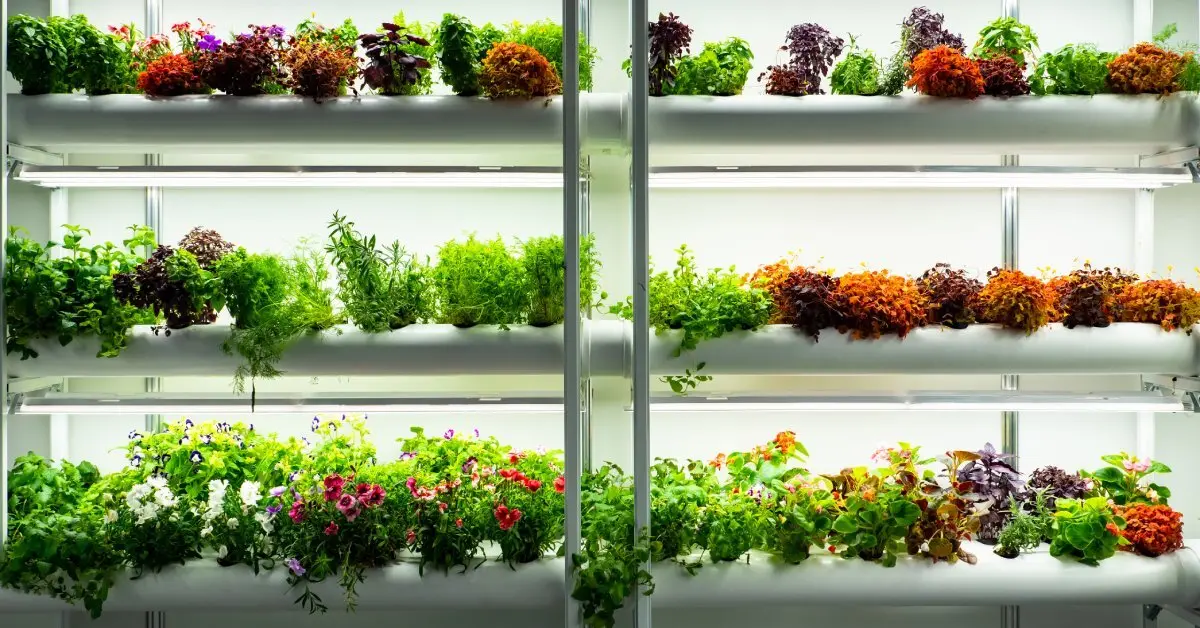
Use every inch of space and cut unnecessary energy use. These strategies make efficiency a top priority.
Utilize Vertical Space
Vertical setups increase growing capacity without expanding the footprint. Stacked racks or shelves hold multiple layers of plants, as long as each row still gets enough airflow and light.
Segregate Growing Areas
Create separate zones for each stage of plant development: germination, vegetative growth, and flowering. Each stage needs different environmental conditions, so separating them helps improve yields.
Maximize Energy Efficiency
Switching to LED grow lights and insulating walls well reduces energy use. Scheduling light and fan use around growing cycles saves additional power.
Waste Management
Good waste management keeps a grow room clean. Dispose of plant waste responsibly and recycle unused water from irrigation systems whenever possible.
Start Building Your Modular Grow Room Today
A successful modular grow room begins with careful planning. Quality tools and environmental controls lay the foundation for healthy plants.
National Partitions specializes in custom modular grow rooms built to support the growing environment. The team is ready to help plan yours.
Build a system around specific needs, whether the goal is sustainable gardening or a commercial operation. Modular walls and similar solutions can turn almost any space into an efficient, well-organized grow room. Careful planning creates a controlled environment that supports healthy plants and high yields for years to come.