
Permanent modular buildings are long-term facilities built in a factory and set on permanent foundations, yet most people still picture a trailer, storage shed, or portable classroom when they hear "modular building." That belief that modular construction is always temporary limits how businesses plan expansion projects.
Decision-makers often skip this method because they assume it lacks the structural integrity for long-term use. That oversight can lead to the higher costs and longer timelines of conventional site-built structures.
Modular buildings serve as permanent facilities in sectors ranging from healthcare to education. Knowing what modular construction can actually do helps businesses make smarter, more efficient choices for long-term facility needs.
What Is a Modular Building?
A modular building is constructed off-site under controlled plant conditions, using the same materials and meeting the same codes and standards as conventionally built facilities. The modules are produced in a factory and then transported to the final site for assembly. Traditional construction, by contrast, happens step by step at the final location.
Modular construction often uses the same materials as site-built projects. Builders use steel, concrete, wood, and high-quality insulation for structural stability and energy efficiency. Because each module must survive transport by truck and lifting by crane, its structural framing is often stronger than that of a standard building.
How Modular Buildings Are Constructed
Modules are built assembly-line style inside a factory. Skilled tradespeople work on different stages at the same time, including framing, electrical wiring, plumbing, and interior finishing. The controlled environment protects materials from weather, preventing problems like mold or warping that affect outdoor job sites.
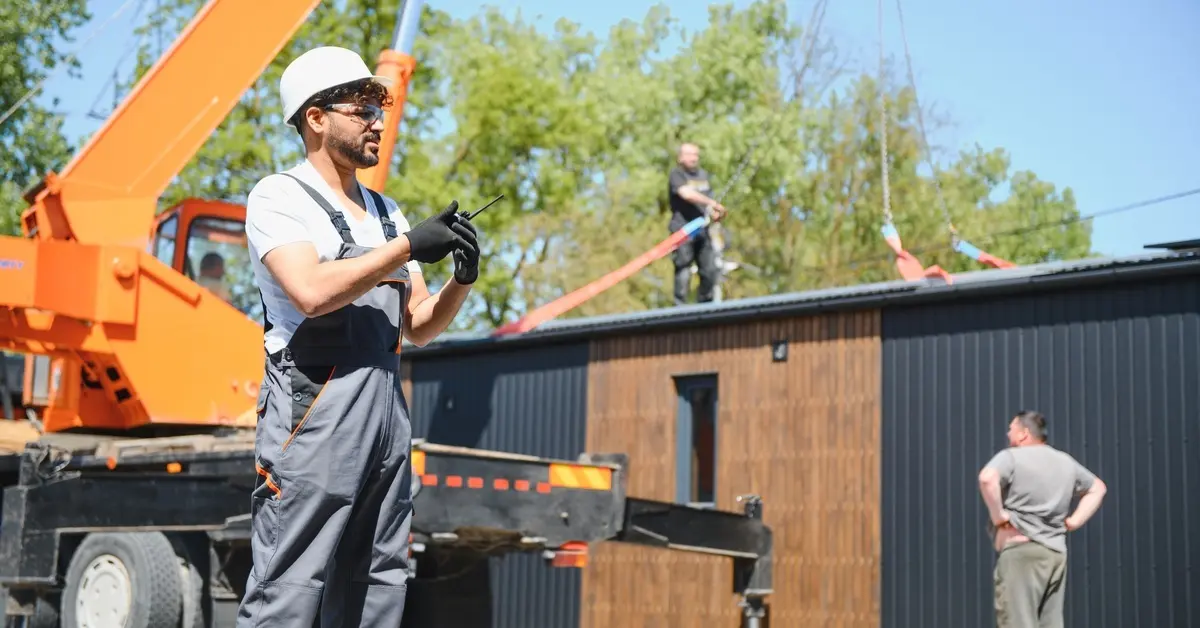
Finished modules travel to the foundation site for installation. Crews crane the units into place and fasten them together into one structure. Crews then seal the joints and complete the exterior and interior finishes, producing a building that looks the same as its site-built counterparts.
Are Modular Buildings Permanent?
Yes. A building's durability depends on its materials and engineering, not on where it was built. Permanent modular buildings are engineered for a lifespan comparable to traditional structures, often 50 years or more with proper maintenance. Factory quality control checks that every joint and seal meets precise specifications.
The "temporary" myth comes largely from relocatable modular buildings. The industry does make temporary structures designed for multiple moves. Permanent modular structures, however, are set on permanent foundations and become immovable assets once installed.
Building codes treat permanent modular buildings the same as site-built structures. They must meet building codes and local zoning regulations. Inspectors review plans and visit the factory during production to certify compliance before modules leave the facility.
The strength needed for transport also adds durability. Modules must withstand the forces of highway travel and the stress of crane lifts. The result is a rigid, strong framework that makes the finished building highly stable.
Benefits of Permanent Modular Construction
Speed is the biggest benefit of modular construction. Site preparation and building fabrication happen at the same time, so projects can finish 30% to 50% faster than with traditional methods. Businesses occupy their new facilities sooner and see a faster return on investment.
Cost predictability is another key benefit. Factory production lowers the risk of weather delays, a common cause of budget overruns in traditional construction. The controlled setting also reduces material waste, because factories can recycle scraps and manage inventory more precisely than on-site crews.
Sustainability matters more and more to modern organizations. Modular construction creates less waste and less site disturbance than conventional building. Fewer vehicles travel to and from the job site each day, which lowers the project's overall carbon footprint.
The factory setting also improves worker safety and comfort. Tradespeople work at ground level in well-lit, climate-controlled spaces, which reduces falls and accidents. That efficiency leads to higher quality work and fewer delays from labor shortages or injuries.
Where Are Permanent Modular Buildings Used?
Healthcare uses modular construction for its speed and cleanliness. Hospitals add new wings, laboratories, and patient rooms with modular methods, avoiding the noise and disruption of a long construction site. Factory precision helps these facilities meet strict sanitation and ventilation standards.
Schools and universities use permanent modular buildings to relieve overcrowding and modernize campuses. Unlike older portable classrooms, today's modular schools include multi-story designs, advanced science labs, and energy-efficient HVAC systems. Universities use the method for dormitories and administrative offices to keep up with enrollment growth.
Commercial offices use modular construction to create flexible, modern workspaces. Tech companies and corporate headquarters value custom layouts that encourage collaboration. Modular partitions and office systems let these businesses reconfigure interiors as their teams change.
Hospitality and residential developers use modular techniques as well. Hotels can open months ahead of schedule by stacking fully finished room modules. Multi-family housing developers use modular construction to deliver affordable, high-quality apartments in dense urban areas where on-site construction is difficult.
Where to Find Modular Building Solutions
A successful modular project starts with the right partner. National Partitions specializes in modular office systems and building components for industrial and commercial needs. The team's expertise helps clients get structures that meet specific operational requirements.
The National Partitions catalog shows the range of configurations available. Products from in-plant offices to exterior guardhouses show how versatile modular design can be. National Partitions helps customers choose materials and layouts that support long-term business goals.
High-quality modular components keep a facility functional and attractive for decades. National Partitions focuses on durability and ease of installation, making it a reliable source for permanent building solutions.
The Future of Permanent Modular Construction
Modular buildings are not limited to temporary use. They can be permanent structures that balance speed, cost, and quality without giving up durability. As technology advances, the line between modular and site-built structures will keep blurring, with modular likely leading on efficiency.
Businesses that see modular buildings as permanent assets gain a competitive edge. They can expand operations faster and with less financial risk than competitors. The "temporary" label is fading as more lasting modular buildings appear in cities.
Modular construction saves time and offers a better building process. Whether the project is a school, a hospital, or a corporate office, modular methods provide a reliable path to a high-quality, permanent facility. Browse National Partitions today to see how modular systems can expand your business or property.