
A partition wall is a non-load-bearing wall that divides space inside a building, while a panel wall is a prefabricated system valued for its strength. Knowing the difference shapes both the look and the function of a construction project.
The right choice depends on whether the project needs flexibility or structural integrity. Each wall type has its advantages. Panel walls stand out for strength: they provide solid support and withstand a range of environmental factors, which suits robust structures. Partition walls trade some of that strength for adaptability. The sections below compare the two.
What Is a Partition Wall?
A partition wall is a non-load-bearing wall built to divide spaces within a building, not to carry structural loads. Common materials include gypsum board, glass, and metal. Partition walls meet the need for flexibility in room design.
Adaptability is their main benefit. In dynamic settings such as offices and commercial buildings, partition walls allow quick reconfiguration. That flexibility makes prefabricated office wall partitioning a valuable tool for creating functional spaces that change with business needs.
Partition walls may not match the structural strength of panel walls, but they excel at providing privacy, soundproofing, and visual appeal.
How Are Panel Walls Installed?
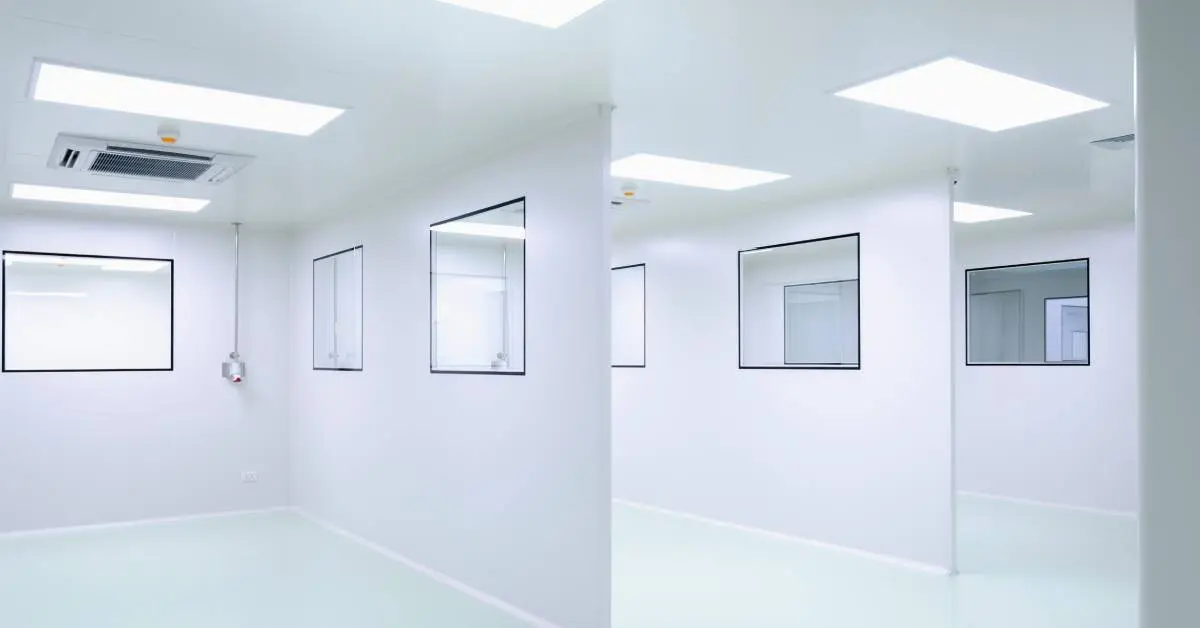
Panel walls install through a streamlined process. Prefabricated panels are assembled on site, which shortens construction time. This efficiency helps projects with tight deadlines or limited labor resources.
Prefabrication produces consistent, high-quality finishes and reduces the errors common in traditional construction methods. That makes panel walls a strong option for project teams that want reliable results.
Panel walls often involve fewer components, so project managers can control costs and timelines more easily. Durable, long-lasting results add to the smooth construction phase panel walls are known for.
How Easy Is It to Install a Partition Wall?
Partition walls are simple to install. Their lightweight materials are easy to transport and allow quick changes to existing layouts. This matters most in spaces that change or expand often.
A straightforward construction process lets teams work efficiently and rearrange spaces with minimal disruption. This adaptability is especially useful in offices that reconfigure space as business needs evolve.
Easy installation helps businesses reach their aesthetic and functional goals. Partition walls offer a cost-effective solution without giving up quality or design versatility.
Where Are Panel Walls Used?
Panel walls are used in many settings, from industrial plants to modern office buildings. Robust construction and a clean appearance suit them to both functional and decorative purposes.
In industrial settings, panel walls are chosen for durability and their ability to withstand harsh conditions. They protect against moisture, temperature swings, and mechanical stress, which extends their service life.
Panel walls also give designers creative freedom. Architects can customize them with different finishes, colors, and textures to meet specific design goals. This versatility makes them a favorite for projects where form and function matter equally.
Where Are Partition Walls Used?
Partition walls suit environments that need flexibility and adaptability. For dynamic space division, this type of wall works well in a variety of applications.
- Office efficiency: Partition walls support open-plan designs while still providing privacy. They create focused work areas or meeting rooms without the permanence of traditional walls.
- Retail versatility: Partition walls define distinct areas within larger floor plans. Stores can update layouts to match seasonal trends or customer flow, keeping the shopping experience current as demands change.
Dynamic partition walls make day-to-day business easier. Consider these benefits when planning versatile elements for a space.
What Materials Are Used for Panel Walls?
Panel walls are most often made from metal, wood, or composite. Each material has distinct strengths, and the choice should align with project goals and site conditions.
Metal panels are valued for durability and are common in commercial buildings. They are also a solid choice for exterior applications because they resist harsh weather conditions.
Wood panels bring warmth and natural beauty, adding a welcoming, elegant touch to interiors. They fit projects that value appearance alongside function.
Composite panels combine the strengths of both. Their durability and design flexibility suit projects that need innovative solutions without compromising performance.
What Materials Are Used for Partition Walls?
Gypsum board is a popular partition wall material because it is cost-effective and easy to install. It offers good fire resistance and soundproofing qualities for residential and office applications.
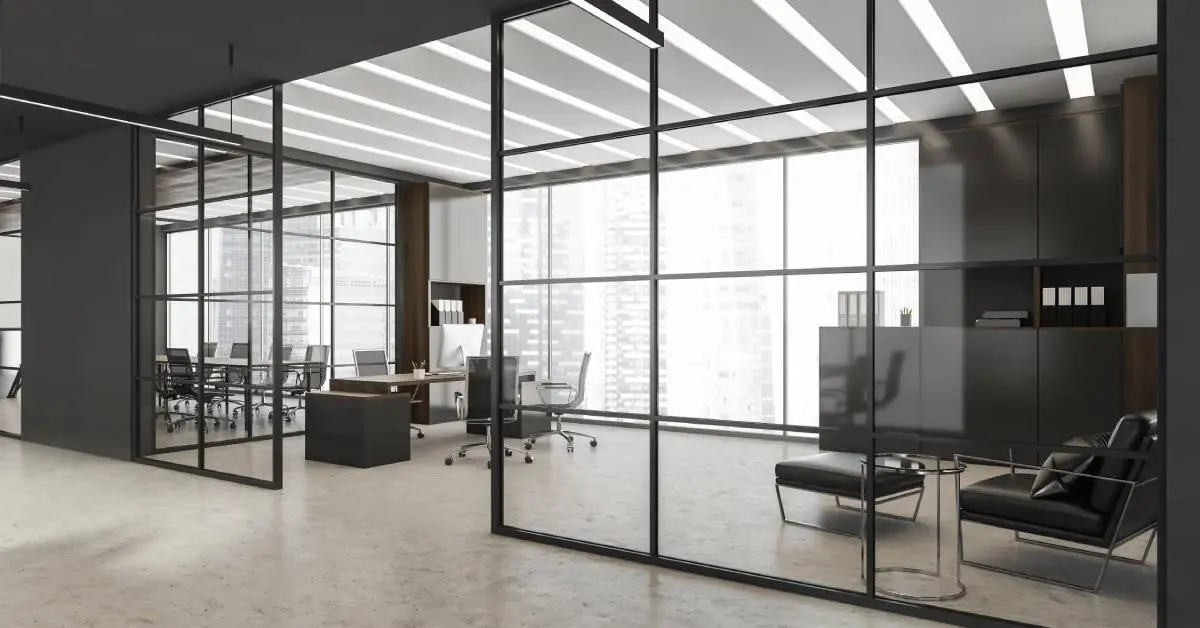
Glass partitions create openness and transparency, which suits modern office settings. They let natural light flow through spaces, improving the overall atmosphere and reducing the need for artificial lighting.
Metal partitions are less common but offer a robust option for environments that need extra durability. They add a sleek, industrial look to interior designs.
What Do Panel Walls Cost?
Panel walls make a strong case for cost-effectiveness because of their prefabrication process. Budget is always an important consideration in construction.
The upfront cost of panel walls may be higher than traditional walls, but the long-term value often outweighs the initial expense. Their durability lowers maintenance costs over time and brings peace of mind.
What Do Partition Walls Cost?
Partition walls are also cost-effective, particularly for projects that need frequent layout changes. Lightweight construction and a simple installation process lead to lower labor costs and quicker turnaround times.
The materials used in partition walls are typically more affordable, which helps budget-conscious projects. Their adaptability lets businesses modify spaces as needed and avoid costly renovations.
Partition walls can meet both financial and functional goals while creating versatile environments. The investment saves money today and delivers a flexible, future-ready design for tomorrow.
Are Panel Walls Sustainable?
Yes, panel walls offer several eco-friendly benefits as sustainability grows in importance in construction. Their efficient manufacturing process reduces waste and recycles used materials.
The energy-efficient insulation properties of panel walls lower heating and cooling costs and reduce carbon footprints. These factors make them a smart choice for organizations committed to sustainability.
Are Partition Walls Sustainable?
Partition walls also support sustainability efforts, especially when built from recyclable materials like glass and metal. At the end of their life cycle, these materials can be repurposed or recycled to limit environmental impact.
Because partition walls are easy to reconfigure, spaces can be adapted without extensive renovations or excess construction waste. This flexibility supports sustainable practices by extending the life of existing materials.
Applying sustainable design principles to partition wall projects lets businesses show their commitment to environmental stewardship and build a strong reputation.
Choosing between a panel wall and a partition wall comes down to how their differences fit the project's unique needs. Panel walls deliver structural strength, and partition walls deliver dynamic space division. Weighing these factors leads to the right wall type for the vision.
For guidance on putting these solutions to work, contact the experts at National Partitions. The team's expertise and industry knowledge can help guide the best choices for future projects.