
A demising wall divides one building into separate spaces, and demising walls are pivotal in modern construction, offering flexibility, functionality, and efficiency. They’re used in many settings, from commercial buildings to warehouses. Whether it’s dividing tenant spaces in retail units, constructing private offices in a warehouse office, or marking distinct zones in industrial plants, these walls get the job done.
Below, this guide explains what demising walls are, with 10 examples and their advantages for contemporary construction projects.
What Is a Demising Wall?
A demising wall is a physical barrier that divides a building into distinct sections. It’s commonly used in rental properties, commercial spaces, and manufacturing facilities to separate leased units or create functional divisions within a larger open area.
These walls serve multiple roles: dividing spaces, improving sound insulation, maintaining fire safety, and improving security. Drywall, concrete, or modular wall systems can be used to construct demising walls, each with its own benefits based on the building’s specific needs.
Demising Wall Definition: Key Characteristics
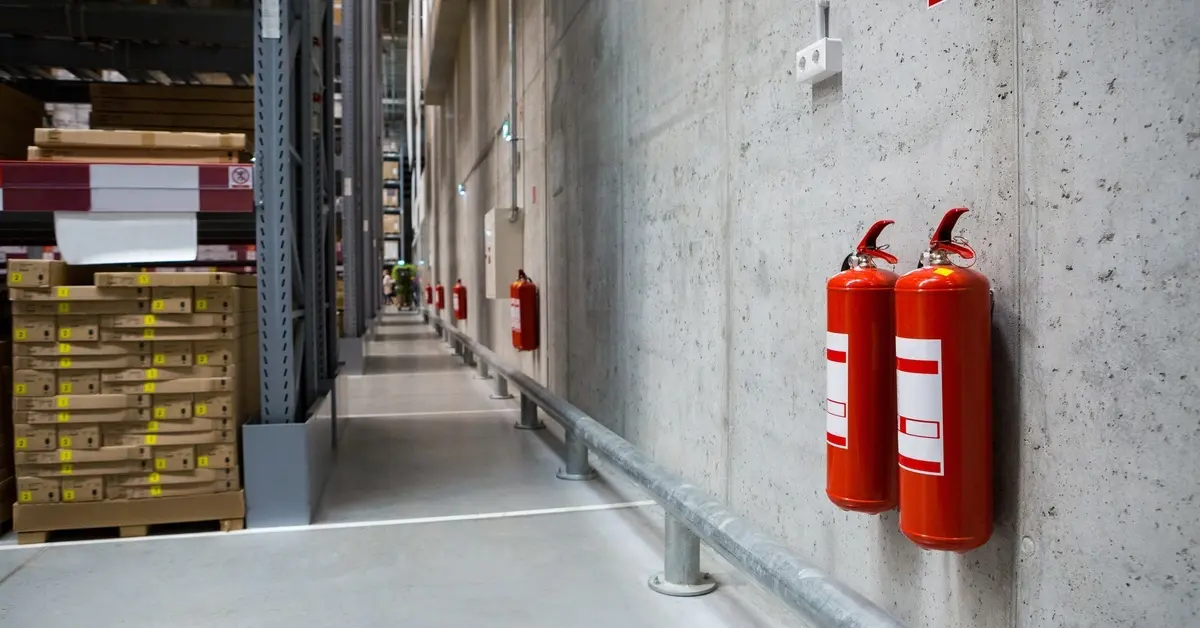
Demising walls define spaces in a building. Four characteristics make them an integral part of architectural design.
Fire-Resistant Materials
Many demising walls are designed with fire safety in mind. They are often built with fire-resistant materials like concrete or specialized wallboards to keep fire from spreading between spaces. This is especially relevant for warehouses or manufacturing facilities where safety is paramount.
Acoustic Insulation
Demising walls can include soundproofing materials to reduce noise transfer. This is particularly useful for office spaces, warehouses, or medical buildings where reducing outside disturbances is necessary.
Custom Height and Configurations
Demising walls can be customized to fit specific building layouts, whether they extend to the ceiling or stop at a set height for partial separation. These walls are commonly used in commercial or multi-tenant spaces as boundaries between units.
Built To Last
Durable materials make demising walls ideal for long-term use. Options like cinder block walls provide high strength and fire resistance, while prefabricated panels offer a quick, cost-effective installation. Both choices provide durability and reliability, offering a long-term way to divide areas.
Demising Wall Examples: 10 Common Applications
From retail to warehouse office demising walls, here are 10 of the most common demising wall applications.
1. Retail Tenant Dividers
Shopping malls use demising walls to separate individual stores. These walls give business owners their own retail space within the shared building. They are typically built to meet fire safety regulations and soundproofing standards, providing a secure and quiet environment for each store.
2. Warehouse Sectioning
Demising walls are frequently found in warehouses, dividing areas for storage, offices, or different departments. For instance, a demising wall in a warehouse office supports better organization and worker productivity by isolating louder operational zones.
3. Office Partitions
Open offices can be segmented with demising walls to create more private workspaces, conference rooms, or executive offices. Modular panels make it easy to adapt these partitions to changing office needs.
4. Medical Facility Zoning
Health-care centers often require specific zones for examination rooms, waiting areas, and administrative offices. Demising walls create confidential divisions that meet safety requirements.
5. Condominium and Apartment Dividers
Demising walls define the boundaries between individual living spaces in residential complexes, giving occupants privacy and noise control. Properly built demising walls provide a comfortable and secure living environment for all residents.
6. Industrial Plant Segments
Factories and production plants use demising walls to separate manufacturing zones or designated equipment areas. This creates a safer, more efficient environment.
7. Cold Storage Facilities
Climate-controlled settings, such as refrigeration units or freezers, can use specialized insulated demising walls to maintain consistent temperatures.
8. Gyms and Fitness Centers
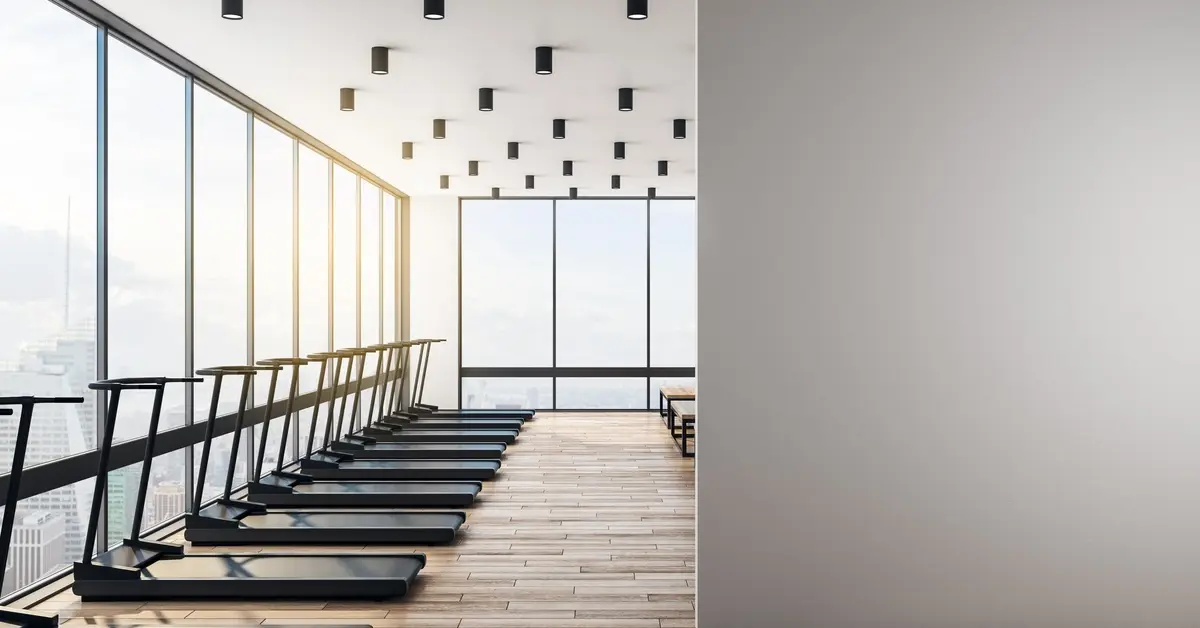
Fitness centers often use demising walls to section off exercise areas, like yoga studios or weightlifting zones, from shared spaces like locker rooms.
9. Restaurants and Cafes
Demising walls can divide kitchens, dining areas, and private party rooms within food establishments. They create distinct spaces for different functions, improving operations and customer experience. These walls can also improve soundproofing and privacy, creating an enjoyable atmosphere for guests.
10. Property Boundaries
Large commercial buildings lease sections to multiple tenants, with demising walls acting as the physical and legal boundary between units. This setup allows a clear separation of spaces and responsibilities.
What Are the Advantages of Demising Walls?
Demising walls offer 10 main advantages, listed below.
Privacy and Security
Demising walls give tenants or departments private, secure areas. For offices or manufacturing plants, this can boost productivity by isolating tasks or confidential projects.
Soundproofing Solutions
By dampening noise, these walls create quiet environments, even in typically loud spaces like industrial zones or crowded malls.
Flexible Designs
Demising walls can be tailored to the specific size, height, and configuration a business requires, providing a custom solution for any layout.
Enhanced Safety
Fire-rated demising walls restrict the spread of fire between building sections to meet safety codes. They are vital in high-risk areas like factories and storage units.
Cost-Effective Separation
Demising walls divide spaces without costly structural changes, making them ideal for leased properties or changing environments.
Easy To Upgrade
Many demising walls, especially modular versions, can be modified or moved to suit new requirements. National Partitions specializes in flexible, high-quality wall solutions.
Improved Aesthetics
Beyond their functional uses, demising walls can also improve a building’s interior appearance with customizable design options.
Energy Efficiency
For businesses operating in climate-controlled environments, insulated demising walls retain temperatures and lower energy costs.
Compliance With Regulations
Demising walls help meet stricter local building and zoning regulations for fire safety, energy efficiency, and shared building partitions.
Value Addition
By creating defined, versatile spaces, demising walls improve the marketability and functionality of any property.
When a Demising Wall Makes the Difference
Demising walls provide a versatile way to manage space while offering tangible benefits like safety, soundproofing, and adaptability. Whether they’re creating individual tenant spaces or organizing work zones in a warehouse office, they offer practical solutions for industrial, commercial, and residential projects.
For companies and project managers looking to use their space more effectively, adding demising walls may be the logical next step. To explore options, contact a modular wall specialist like National Partitions to find the right solution for your business.